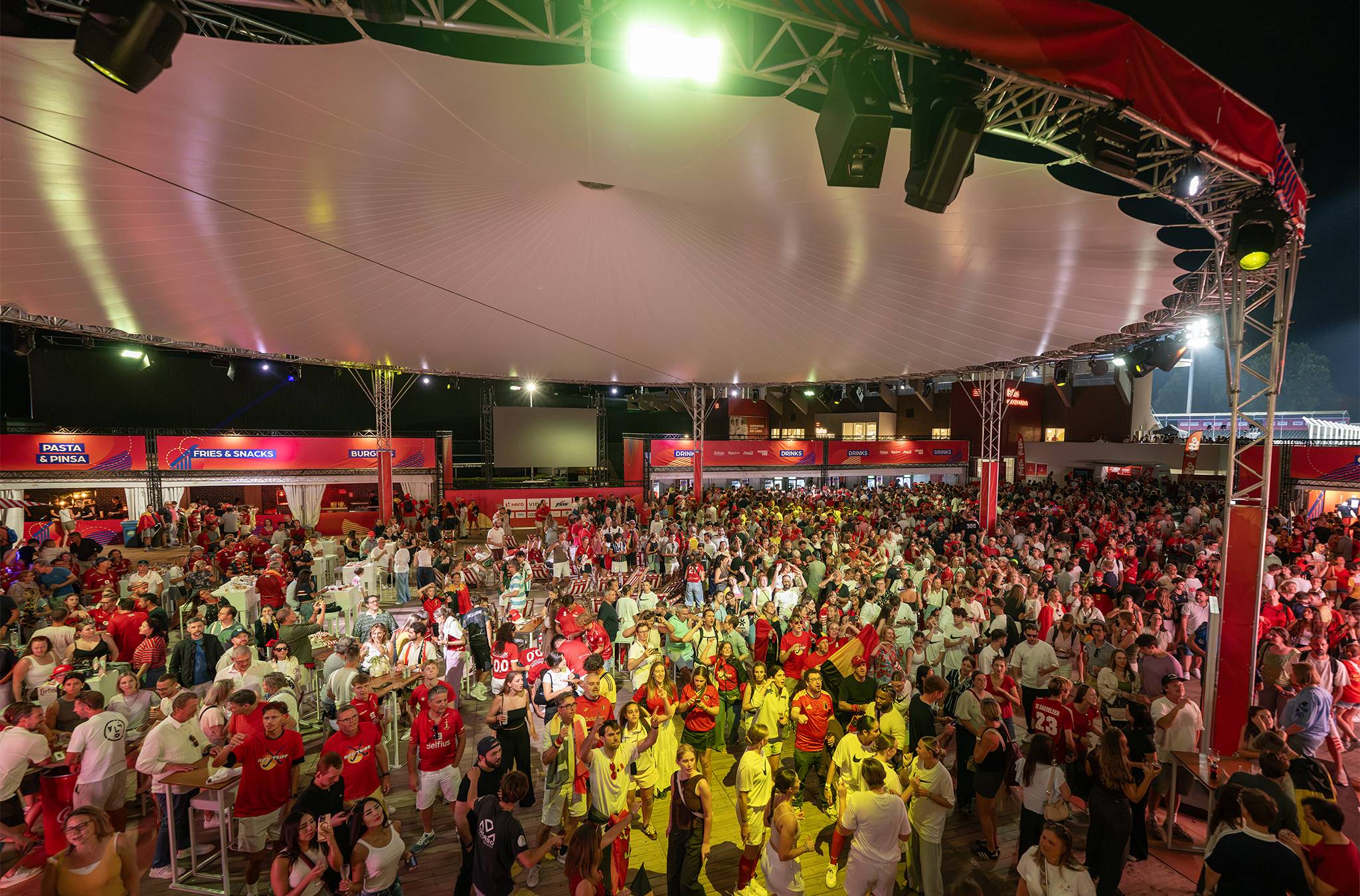
Event evaluation: how to make your next festival edition better
A good event evaluation puts figures per bar next to what your crew saw.
Gut feeling only tells you it was busy. Figures per bar and per hour tell you where, when and why.
Our advice: plan two moments. A short debrief with your team while it's still fresh, and an evaluation with the figures once the reports are in.
- Evaluate in two rounds: people first, figures second.
- Look at sales per bar and per hour, not just the total.
- Compare editions with the same product list and the same bar names.
- End with a short list of decisions, with a name next to each one.
When should you run your event evaluation?
In two rounds: a debrief within the week, the figures once your reports and settlements are done.
The first round catches what no report shows. A bar without lights, a till too far from the entrance.
The second round is about what you can measure. That's where you decide on bars, stock and planning.
Plan your mandatory paperwork in too. For concerts and festivals, Unisono (Dutch tariff guide) wants your receipts and the works played within 15 days.
In 30 minutes we'll show you how to follow your sales by device and by time, and analyse your peak times after the event.
Which figures do you check per bar and per hour?
Start with four questions. Each one has a figure and leads to a decision.
| Question | Figure | Decision |
|---|---|---|
| Where was it busiest? | Sales per bar | Move or add bars |
| When did it jam? | Transactions per 15 minutes | Staff per shift |
| What ran out? | Sales per product | Purchasing and restocking |
| Did the cups come back? | Cups out and back | Return points and deposit |
Sales per bar: the busiest bar isn't always the one with the highest sales. Put the figures next to your site map.
Transactions per 15 minutes: you only see the rush between two sets in short blocks. A daily average hides it.
Sales per product: what sold out at 10 pm disappears in the daily total. It's the basis for next year's purchasing.
Cups out and back: in Flanders you must collect at least 90% of your reusable cups, according to OVAM. This is where you see where they went.
More on the deposit on reusable cups.
What do you ask your crew and bar leads?
Ask about moments, not opinions. "When was your queue longest?" gets you more than "How did it go?".
Three questions per bar lead are enough:
- When did it jam, and what caused it?
- What was missing: stock, cups, change, hands, light?
- What would you set up differently if you rebuilt the bar tomorrow?
Then put the answers next to that bar's figures. If the story matches the transactions per 15 minutes, you've found your cause.
Working with volunteers from local clubs? Bring their leads into the debrief. They either come back next year, or they don't.
How do you compare two editions fairly?
Only with the same names and the same layout. If bar 3 is called "North Bar" this year, you lose your comparison.
- Same product list: group products into the same categories, even when the brand changes.
- Same bar names: one fixed name per spot on your site, not per operator.
- Same time blocks: compare Friday 9 to 11 pm with Friday 9 to 11 pm.
- Write down the context: weather, line-up, attendance and what you changed. Otherwise you'll read the wrong thing into your figures next year.
What do you do with the outcome?
You turn it into decisions. An evaluation without decisions is just a report.
End with a short list, with a name and a date on every line.
- Site: which bar moves, goes or gets added?
- Tills and top-up points: where do you need one more, where can one go?
- Stock: which products do you order more or less of, and when do you restock?
- Crew: which shifts need backup, which bar gets an experienced lead?
- Cups: where do you add return points?
Put the list into your planning for the next edition. That way it becomes work, not a resolution.
Start with the points that cost money or waiting time. Every visitor notices a bar that moves. Nobody notices a new wristband colour.
Beyond Ordering has become an indispensable part of our festival in just a few years. The terminals are incredibly reliable, easy to use, and a real game changer for our bar and cash desk teams. The support, from start to finish, is outstanding. Highly recommended!

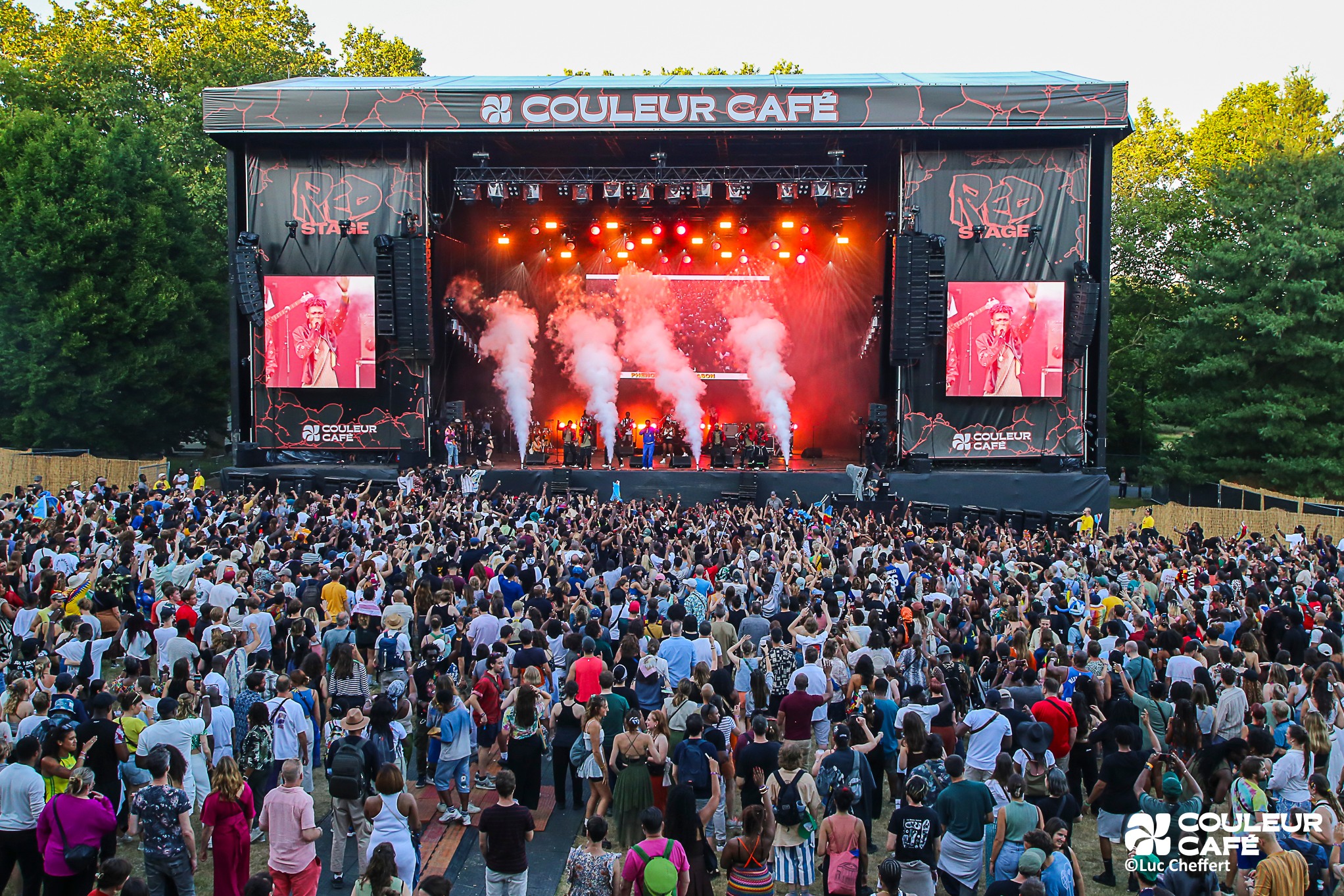
In practice: Couleur Café
The event: Couleur Café, an established name in the Belgian festival landscape, with Beyond Ordering since 2023. Recent editions have sold out every time.
The challenge: limited space fixes the number of visitors, while production costs rise. Extra spend per visitor is a focus every year.
The setup: smart all-in-one terminals at the voucher tills.
The festival and its financial auditor follow every sale in real time, and after each shift every seller has a sales report.
The result: the data steers how volunteers are deployed and where tills and bars go.
Every year, Beyond Ordering advises on the distribution based on historical data and takes a critical look at sales figures, cups and margins.
Also with Beyond Ordering: Lokerse Feesten, Bollekesfeest, Student Kick-off Gent and Brussels Urban Sessions.
Frequently asked questions
Who should sit at the table for the evaluation?
Your core team, the bar leads and whoever handles your finances. Invite your key partners too, like the clubs that run a bar.
Should you survey visitors after your festival?
It helps, if you keep the questions short and concrete. Ask about waiting time and paying, not just the line-up.
What if you don't have digital sales figures?
Then start from your voucher counts per till and your stock count per bar. You'll know what sold, but not when.
How long do you keep your evaluation?
At least until after the next edition, together with the figures. Without the previous edition, you have nothing to compare with.
Set the date of your debrief today
Pick the day of your debrief and the day of your figures evaluation now, before your next edition starts.
Want to see how you analyse your sales figures and peak times afterwards? We'll show you in a 30-minute demo.
Or first take a look at our cashless payment system for festivals and events. Rather ask a question first? Get in touch.
Your festival in figures per bar
In 30 minutes we'll show you how to follow your sales by device and by time, and analyse your peak times after the event.
Read more stories from our blog
Opening a summer bar: what do you sort out first?
Opening a summer bar starts in winter: first the site, then the KBO, FAVV, a drinks licence and a till that takes both cash and card.

Single-use cup ban in Belgium: which cups are still allowed in 2026?
The single-use cup ban in Belgium: what's still allowed at events, in your café and for takeaway? Flemish, federal and EU rules side by side.

Several bars in one venue: how do you track stock and sales per bar?
Running several bars in one venue? Track stock and sales per bar: each bar its own sales point, log transfers and count at closing against the report.