Starting a bar or café in Belgium: which permits do you need?

Status on 17 November 2026: checked with Vlaanderen.be, VLAIO, the FAVV, the FPS Finance, Ghent and Bruges. Permits and deadlines differ per town.
Starting a bar or café takes four steps: company, premises, permits, till.
There's no single hospitality licence. It's a set of permits, and your town handles part of them itself.
Our advice: check that your premises are zoned for hospitality before you sign a lease. Without that, no other application gets anywhere.
- First your company: KBO, VAT, social insurance fund.
- Then your premises: they must be zoned for hospitality.
- After that the FAVV, drinks licence, fire safety and music licence, before opening.
- A registered till is only required above 25,000 euros a year from served food.
- New venues above that threshold go straight to GKS 2.0 since 1 July 2026.
Starting a bar or café in Belgium: which steps come first?
Start with your company. Vlaanderen.be lists the steps like this:
- Business form: sole trader or company.
- Business account: a separate account for your venue.
- KBO: registration through an approved business counter. According to VLAIO that costs 111.50 euros.
- VAT: you activate your company number as your VAT number.
- Social status: join a social insurance fund and tell your health insurer.
You apply for permits before you start, not after.
In Flanders you no longer need a basic business management certificate.
In 30 minutes we'll show you how the till, QR ordering at the table and the registered till work together in a new venue.
Can your premises become a bar or café?
Only if they're zoned for hospitality, and got that zoning the right way.
The City of Ghent advises checking that with its building desk first. Bruges puts an environmental permit or change of use at the top of its checklist.
Planning live music or a dance café? Ghent can run an indicative sound measurement, so you know how loud you're allowed to go.
Is there one hospitality licence?
No. You need several permits, and who grants them differs.
| What | Who | When |
|---|---|---|
| FAVV registration or authorisation | FAVV | Before opening |
| Drinks licence | Town | Before serving drinks |
| Fire safety | Fire service, town | By floor area |
| Music licence | Unisono | Before the first music |
| Terrace on public land | Town | Separate permit |
If you only serve drinks, perhaps with packaged snacks that keep for at least three months, a FAVV registration is enough. If you prepare food, you need an authorisation from the FAVV.
Ghent bundles part of this into one hospitality certificate. It states whether you may serve alcohol and your closing time.
For the drinks licence, Ghent asks for a criminal record extract, model 596.1-8, no older than three months.
If you also sell drinks to take away, you need the FPS Finance's alcohol and tobacco trader licence too, says VLAIO. If you only serve on site, you don't.
What fire safety does your town ask for?
That depends on the floor area open to the public. This is how the City of Ghent does it:
- Under 50 m²: a notification to the fire service.
- 50 to 100 m²: a notification, plus a strict liability certificate from your insurer.
- Over 100 m²: a notification at least 30 days before opening, with a fire safety certificate and the same insurance certificate.
Other towns use their own thresholds and forms. Ask your town for its list.
Ghent asks you to apply for the hospitality certificate at least 30 working days before opening.
When do you need a registered till?
Only above 25,000 euros a year, excluding VAT, from food guests eat on site. Drinks don't count.
As a starter, you estimate yourself whether you'll cross the threshold. If so, you register by the end of the second month.
The till must be in use by the end of the third month at the latest.
Since 1 July 2026, new hospitality businesses must go straight to GKS 2.0.
With Beyond Ordering you can start without GKS and switch GKS 2.0 on later. With GKS, a contract runs at least one year.
Everything on the threshold and deadlines is in the registered till.
Which till do you pick for a new venue?
One that fits how your guests order, and that can grow with you once you cross the threshold.
How to choose between a fixed till, mobile terminals and QR ordering is in our guide to the POS system for hospitality.
Short on staff at the start? Let guests order and pay at the table. Your team then only brings what's been ordered.
That's how our ordering system for bars and clubs works, with till, QR and terminals in one system.
Our guests order online by scanning the QR codes on the tables. Orders are automatically split between our bar and kitchen, allowing us to serve our guests much faster and more efficiently.
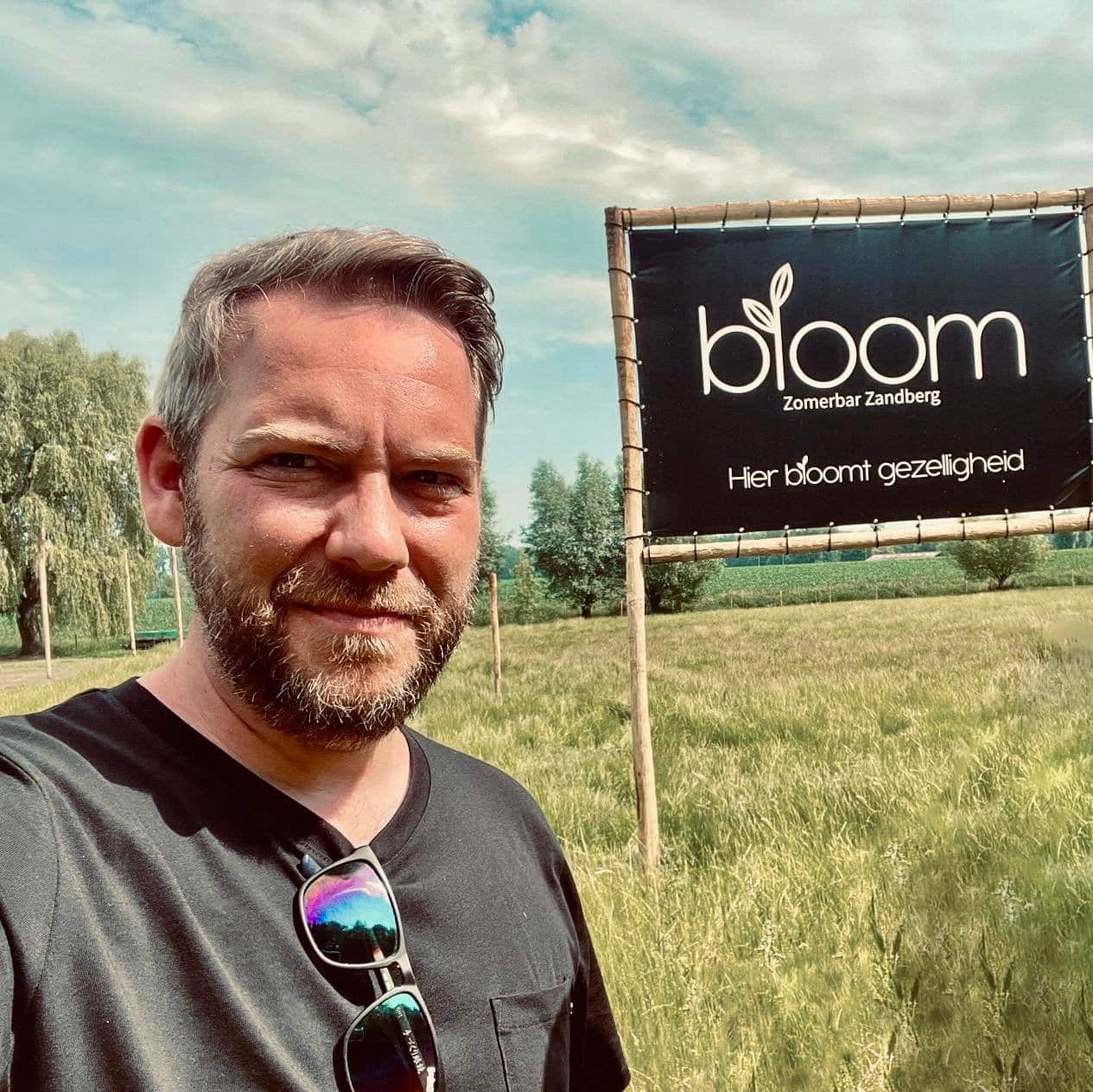
In practice: Zomerbar Bloom
The event: Zomerbar Bloom, a bar with a terrace that fills up fast in high season.
The challenge: organising floor staff well, every single year. Long waits, miscommunication and open tabs were squeezing margins.
The setup: a location-aware QR code on every table. Bar and kitchen each get only their own ticket, and runners bring the order.
The result: over 95% of orders go through QR, with over 25% fewer staff on the terrace.
Also with Beyond Ordering: Bar Bernaar, De Huiskamer and Het Paviljoen.
Frequently asked questions
Do you need a diploma to start a bar or café?
No, not in Flanders. You do have to be able to show you know HACCP, for example through a course, says VLAIO.
How long does it take to open a bar or café?
That depends on your town and your premises. In Ghent the hospitality certificate alone needs applying for 30 working days before opening.
Is taking over a café easier than starting from scratch?
Not always. In Ghent you still apply for a new hospitality certificate, see taking over a café.
Which insurance does a bar or café need?
Bruges's starter checklist names civil liability insurance and fire insurance. Ask your insurer what your premises and floor area need on top.
Do you need a terrace permit?
Yes, for a terrace on public land. You apply to your town, in Ghent together with your hospitality certificate.
Ask your town for its starter list
Call or email your town's business desk and ask which certificates it wants for your premises and floor area.
Want to see which till fits your new venue? In a 30-minute demo we'll go through your plans. Rather ask a question first? Get in touch.
Your new venue ready for its first guest
In 30 minutes we'll show you how the till, QR ordering at the table and the registered till work together in a new hospitality business.
Read more stories from our blog
Opening a summer bar: what do you sort out first?
Opening a summer bar starts in winter: first the site, then the KBO, FAVV, a drinks licence and a till that takes both cash and card.

Single-use cup ban in Belgium: which cups are still allowed in 2026?
The single-use cup ban in Belgium: what's still allowed at events, in your café and for takeaway? Flemish, federal and EU rules side by side.

Several bars in one venue: how do you track stock and sales per bar?
Running several bars in one venue? Track stock and sales per bar: each bar its own sales point, log transfers and count at closing against the report.